
Paver sealing for Tarpon Springs homes
Paver Sealing in Tarpon Springs, FL
Old-town courtyards and bayou-side drives in Tarpon Springs get a free paver sealing estimate when you call (727) 291-7236.
- Brings out deeper paver color
- Fresh joint sand helps lock pavers in place
- Gives weeds less room to grow
- Makes the surface easier to keep clean
- Free estimate, no obligation
Request a Free Estimate
Free, no obligation.
Fast, careful paver sealing in Tarpon Springs
Paver sealing is available across Tarpon Springs, from the streets near the sponge docks to the newer lanes inland. Drives, courtyards, pool decks and walks all get a wash, fresh joint sand and a coat from a local contractor, and the estimate is free. After you send a quick estimate request, word comes back within 1 business day, often much sooner than that.
Think of the courtyard where the pavers have gone dull and a green film clings to the shady corner. After a wash, fresh sand and a coat suited to the stone, the color comes back evenly. For a conversation first, call (727) 291-7236 and describe the spot.
Why hire a local paver sealing contractor in Tarpon Springs?
Nearly half of Tarpon Springs is water, and the air shows it on every paver. Humid air, tidal bayous and storm rain all change how long a surface takes to dry. Tide-fed bayous and the Gulf sit close to most streets here. To hear how a contractor handles that on your street, send a quick estimate request.
A free look first
A contractor walks your Tarpon Springs property, measures it and puts a price in writing. It costs nothing to ask.
A range you can check
Tampa Bay figures sit at $1.25 to $2.50 per square foot for the whole wash, sand and seal. Test any Tarpon Springs bid against that.
Stone gets stone care
Courtyard marble and travertine need a breathable sealer and gentle cleaners. Concrete and brick take other products, so name your surface at the start.
An easy exit
Choose the date and the finish, or decline. A Tarpon Springs estimate carries no obligation.
Get Your Free Estimate in Tarpon Springs
Tell us about your pavers in Tarpon Springs.
Free, no obligation
What paver problems show up most in Tarpon Springs?
Air that never dries out
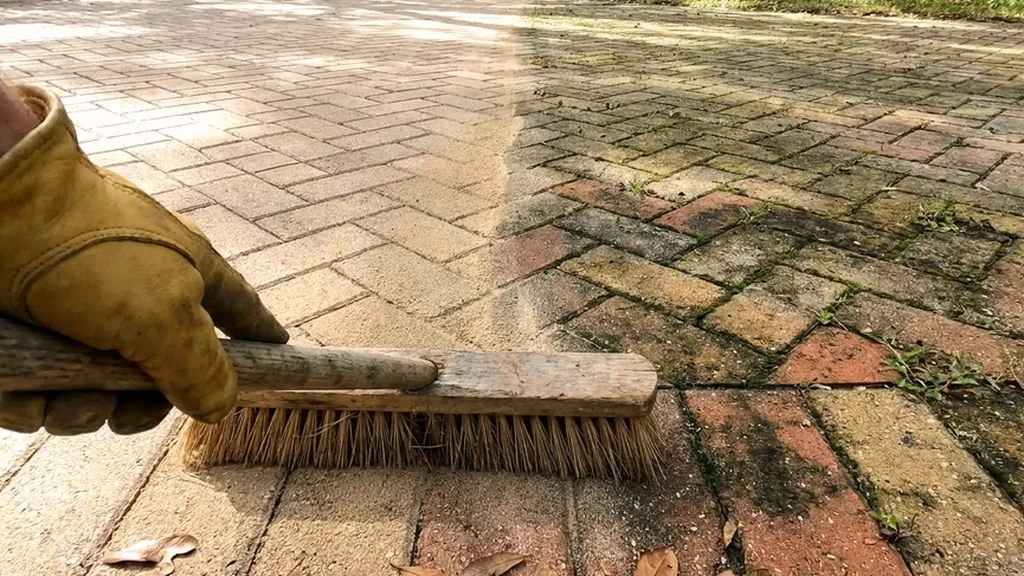
Wikipedia reports that 7.7 of Tarpon Springs' 16.9 square miles are water, with bayous feeding the Gulf. That much water keeps the air damp. Landscape Ontario's paver guide says moss and algae do not belong on pavers except in heavy shade. It adds that treatments help little where pavers stay damp. In Tarpon Springs, a shaded walkway can turn green first, so the wash comes before the sealer. Moss on a walkway that stays damp is a sign the shade, not the sealer, is the cause. Cleaning it off and letting the surface dry out for a full day is the usual order. Even streets a few blocks from the docks sit in a city that is nearly half water. A walkway that never sees full sun goes green first, and the green returns after a wash if the coat is thin. Spring Bayou and the Anclote River are the most familiar waters, but smaller bayous thread through the city as well, so the damp reaches neighborhoods far from the docks.
Afternoon storms off the Gulf
The city averages about 50 inches of rain a year. Wikipedia describes frequent summer afternoon thunderstorms, with hail and waterspouts off the Gulf now and then. A Tampa Bay paver company says near-daily summer storms keep pavers saturated and speed up joint sand loss. After a stormy season, look for gaps along the edges of your drive, because that sand needs to be replaced before sealing. A coat that has lost its bead is also easier for storm water to soak into. That is when joints lose sand quickly, and when ants and weeds find an opening. Hail and waterspouts only occasionally join the summer storms, but the heavy rain is regular. After a wet season, check the joints along the edge of the drive, because loose or missing sand shows up there first. Rain that falls hard in an hour does more to joint sand than a week of drizzle.
Courtyards and stone
The city's history curator describes courtyards planted with Greek-style greenery, and St. Nicholas Church was expanded with imported marble in 1943. Stone and travertine are more porous than concrete, and a Tampa Bay company says they generally need breathable, stone-specific sealers. If your patio is natural stone rather than concrete, ask which sealer will be used. A wrong choice can leave a cloudy film. Marble and travertine near a pool or entry can stain from oil and rust. Cleaning them gently first lets the new sealer breathe and hold the stone's color. Mixed materials on one lot are common in older neighborhoods. The contractor treats each surface on its own terms, so one wash recipe for all is rarely right. St. Nicholas Church was expanded in 1943 with marble from Greece, a sign of how long stone has been part of building here. Stone ages differently from concrete, so it is cleaned and sealed on its own terms.
Old streets, unknown coats
Houses here have been changing hands since the city's 1887 charter, and each owner may have tried a different sealer. Few keep the can. Water-based over solvent-based fails, so a test patch and a look at how water behaves on the surface come first. Flaking edges and milky patches near the door are the usual clues.
Orange streaks from sprinklers
Orange streaks on a courtyard wall or a paver edge point to iron. The University of Florida's landscaping program says most Florida well water carries plenty of it, and sprinklers spread it around. A Tampa Bay company notes that a head aimed at one strip all season wears that strip down early. Treat the stain before sealing, since the coat would trap it. Rust that has set for years may fade rather than vanish, so a test spot is worth doing.
Do pavers near Spring Bayou need different care than pavers near the Anclote River?
They can, because the two waters shape the streets around them differently. Spring Bayou sits near the old downtown, where the Safford mansion went up in 1883, while the sponge docks line Dodecanese Boulevard along the Anclote River. Pavers close to either one see more humidity and shade. When you send a quick estimate request, say if you live nearer the bayou or the river.
Older homes around the bayou, including streets near the 1883 Safford house, often have courtyards and walkways laid over many decades. Brick, concrete and stone often share one lot, so the first visit includes a surface check. A contractor who asks what your pavers are made of is doing the job right. To describe yours, call (727) 291-7236.
Spring Bayou hosts the Epiphany cross dive every January 6, and it draws visitors from around the country. If you live nearby, expect extra traffic on your street that week. Ask the contractor to rinse away from planted courtyards and doors. Plan sealing so the pavers have a day or two to cure beforehand, and mention the date when you send a quick estimate request.
What does paver sealing cost in Tarpon Springs?
In Tarpon Springs the price turns on three things: green growth near the water, lost joint sand and the coat already down. Tampa Bay companies publish $1.25 to $2.50 per square foot to cover the whole job. Natural stone can run higher, since it needs gentler cleaning and a breathable sealer. For a figure that fits your pavers, send a quick estimate request.
Ask the contractor to price courtyard, pool deck and drive as one visit. Setup and rinse time are shared, so the per-foot cost often drops. List each area with its measured size and name the sealer on the estimate. Call (727) 291-7236 to start one, free and with no obligation.
| Paved area | Typical example | Clean, sand and seal |
|---|---|---|
| 300 sq ft | Small patio or walkway | $375 to $750 |
| 600 sq ft | Two car driveway | $750 to $1,500 |
| 1,000 sq ft | Large driveway or pool deck | $1,250 to $2,500 |
| 1,500 sq ft | Driveway plus pool deck | $1,875 to $3,750 |
Math based on the $1.25 to $2.50 per square foot that Tampa Bay paver companies publish. Your contractor sets the actual price after seeing the surface. Repairs, leveling and stripping failed sealer are usually extra.
How does a paver sealing job work in Tarpon Springs?
Inspect the courtyard and the drive
First the contractor inspects. Every area is measured, and the pavers are checked for stains, loose spots and old sealer. Near the bayous, shady corners that stay wet get a closer look. If the surface is stone, cleaners are chosen to suit it, and a written estimate follows. Photos of the shaded corners help the contractor plan before arriving. A few photos of the shaded corners and any stained areas help the estimate match what the contractor will find.
Wash away green and rust
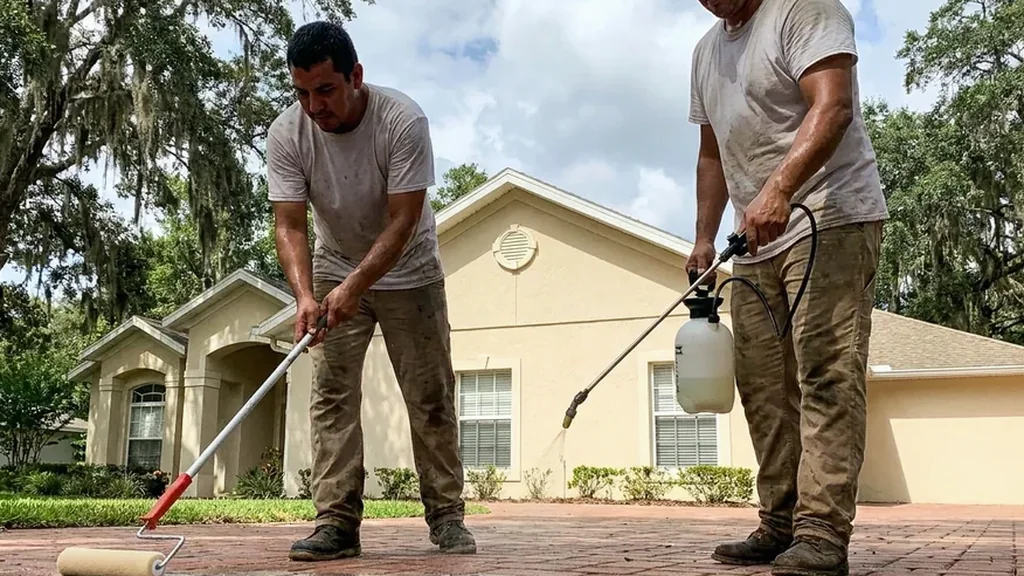
The wash takes off dirt, algae and oil, while rust is treated on its own. Humid Tarpon Springs air feeds green growth, so shaded patios can need more time. Rinse water is kept off planted courtyards and doors. Sealer locks in whatever lies below, so this step comes first. Stone and marble get gentler products than concrete, so ask what will be used on yours.
Replace the sand storms took
Wash water and Gulf storms both pull sand from the joints. Fresh sand goes back in until they are full, then the surface is swept. Full joints lock the pavers and keep weeds out. Edges near drains and downspouts usually take extra. Sand that matches your pavers can often be chosen, so ask what the contractor stocks. Even small gaps left near drains can undo a good job.
Wait for dry pavers
No sealer goes on a damp paver. Afternoon thunderstorms are common here in summer, so the contractor reads the forecast and the surface before opening the can. Shaded courtyards dry last. A late start beats a cloudy coat. If a storm cell builds midway, work stops and the surface is covered until it passes.
Seal in the finish you picked
Now the sealer goes down. Matte reads as natural, while a wet look enriches color and scuffs more easily. Quoted reseal intervals run two to five years. A Brandon company says to stay off for a day on foot and two days in a car. Sprinklers stay off the new coat until the contractor says it has set.
Complete paver services in Tarpon Springs
Think of a Tarpon Springs job as four moves: wash, refill the joints, let it dry, seal. Each move protects the next. Skip one and the coat suffers. For the time each takes on your property, call (727) 291-7236.
Drives carry tires and oil. Courtyards and lanais carry foot traffic and planters, with stone underfoot in some. Pool decks take splash and chemicals, and shaded walks stay damp. When you send a quick estimate request, describe which surfaces you have.
Old coats set the rules. A water-based sealer will not bond to a solvent-based one, so that gets checked first. Then comes sheen, matte or wet look, and stone needs a breathable product. To talk through your choice, call (727) 291-7236.
Summer here brings frequent afternoon thunderstorms, and winter days run mild. Work goes best in a dry spell, so the date can move. Ask about the next open day when you send a quick estimate request.
Questions to ask before you hire
- Does the estimate say how many coats go down and how much sealer is used?
- Does my HOA need to approve the sheen before you start?
- Who do I call if a spot looks blotchy a week after the job?
- When can the family walk and park on the pavers again?
- Will the price be per square foot, or one flat number for the whole job?
- Is the sealer safe for the grass and shrubs along my driveway?
- What sealer goes on pavers that sit near a pool or a screened lanai in Florida sun?
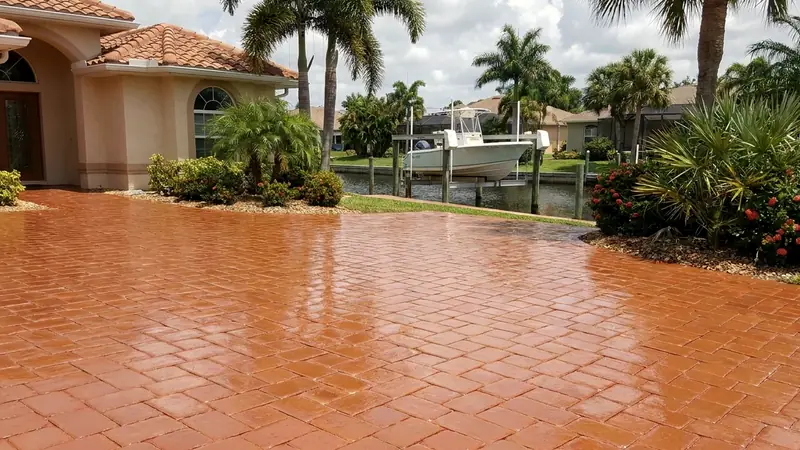
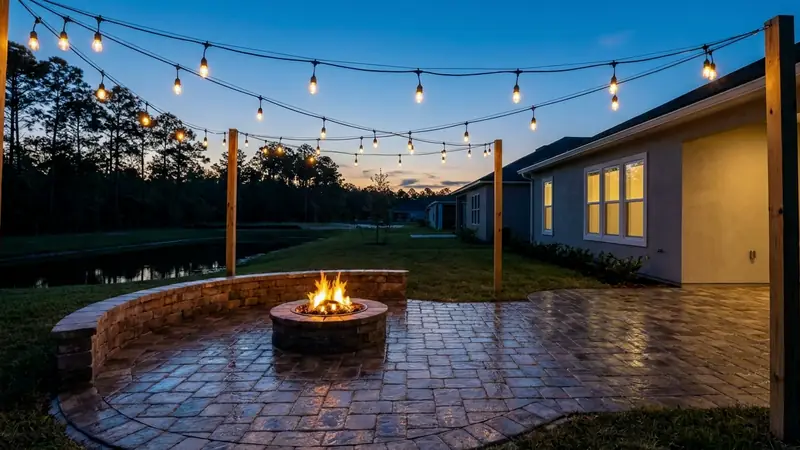
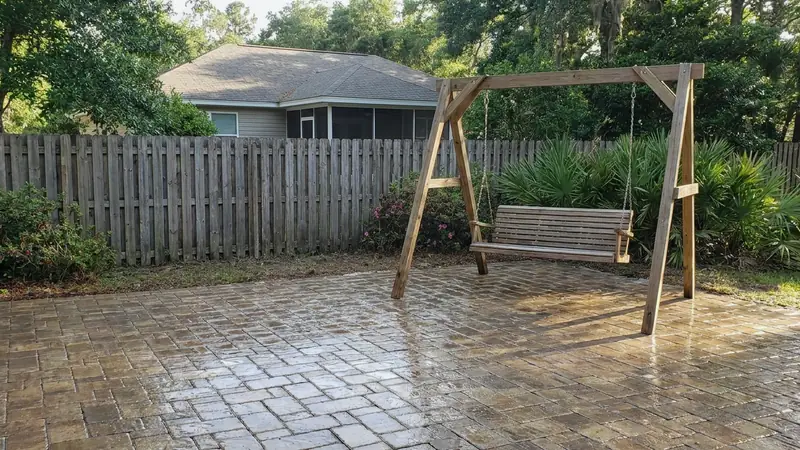
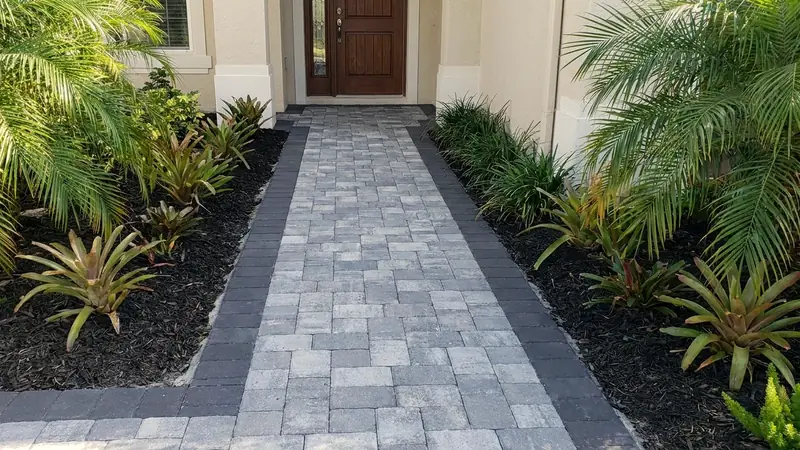
What do sealed pavers look like around Tarpon Springs?
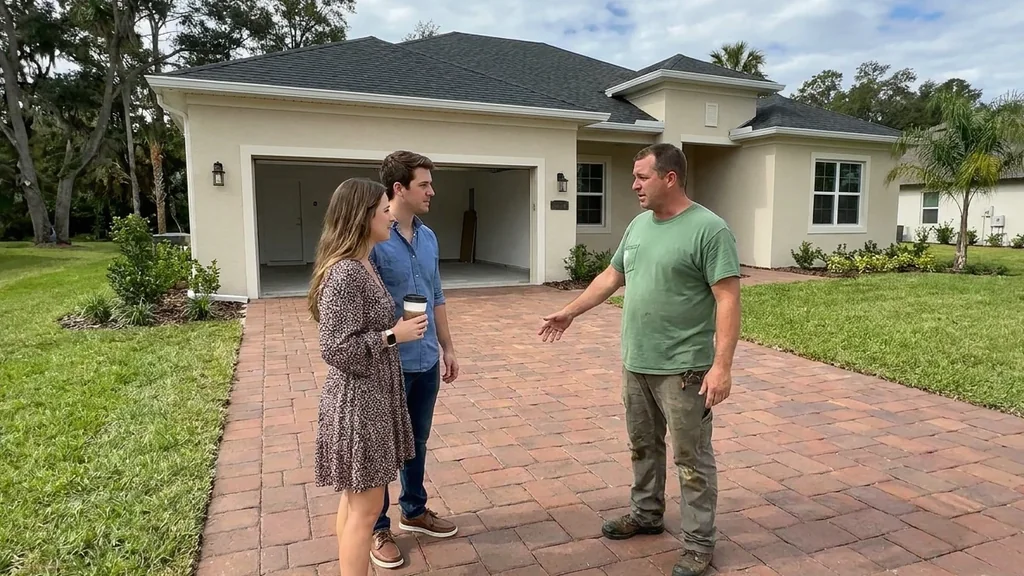
Why local matters in Tarpon Springs
Nearly half this city is water, and a contractor who works here lives with the humidity. Patios take longer to dry, and green film comes back sooner. A crew used to dry inland lots may overlook this. For damp-courtyard questions, call (727) 291-7236.
Old Tarpon Springs mixes brick, concrete and stone on one lot. Each wants its own cleaner and sealer, and a wrong guess can leave a cloudy film. A local contractor asks what your surface is before choosing. You can send a quick estimate request and describe it.
Summer storms roll off the Gulf in the afternoon. A contractor who works here watches the forecast closely, which cuts the chance of rain landing on wet sealer. Call (727) 291-7236 and ask how storm days are handled.
Why does it help to hire someone who knows Tarpon Springs' old streets?
Because the town grew in layers. Settlers arrived around 1876, the city incorporated in 1887, and the Orange Belt Railway came in 1888. The 1883 Safford house near Spring Bayou and the 1909 railroad depot still stand as museums. If your pavers lie near these streets, send a quick estimate request.
Greek sponge divers arrived in the early 1900s, and St. Nicholas Greek Orthodox Church was built in 1907. Dodecanese Boulevard runs along the Anclote River, and a small sponge industry still works there. Tarpon Springs also holds the Epiphany dive each January 6. Call (727) 291-7236 and name the part of town you are in.
Frequently Asked Questions
What does paver sealing cost in Tarpon Springs?
Tampa Bay figures sit at $1.25 to $2.50 per square foot for the whole wash, sand and seal. Natural stone and heavy green growth push a job toward the top. The quote should show the measured area. A bigger property often prices better per foot than separate small jobs. Larger courtyards can price better per foot than separate small jobs.
Should a Tarpon Springs driveway be pressure washed before sealing?
Yes, the surface has to be clean and dry before sealer goes on. Sealer locks in whatever sits below it, so dirt, algae and rust would stay trapped. Joint sand is replaced after the wash. The wash also lifts oil and algae, which would show through a clear coat. Stone gets a gentler wash than concrete, so tell the contractor what you have.
Should pavers be sealed right after power washing in Tarpon Springs?
Not right away. The pavers need to dry and the joints need fresh sand first. In damp Gulf air that can take a day or more, and shade slows it further. A contractor can tell by touch and by a quick water test when a surface is ready. Wet air near the bayous is why the wait can run longer here than inland.
How soon after pressure washing can a Tarpon Springs driveway be sealed?
Once the pavers are fully dry and the joint sand is back. Sun and humidity set the pace. An open drive may be ready the same day, but a shaded courtyard may not be. Rain overnight pushes the schedule back, and the contractor will say by how much. Drying is judged by the surface, not the clock.
Do Tarpon Springs pavers get power washed as part of a sealing job?
Yes, cleaning is a standard step. Dirt, algae, oil and rust come off first, then the joints get fresh sand. Stone surfaces get stone-safe cleaners, and the wash is included in the per-foot price. Rust and mineral marks are treated at the same visit. Pool decks get the same steps, with extra care around the water.
How often should I reseal pavers in Tarpon Springs?
A new coat comes due somewhere between year two and year five, going by what companies quote. Humid air, shade and full sun move it either way. A paver that drinks in water and darkens, rather than beading it, is telling you the coat is gone. A shaded courtyard may be the first to show wear, so check it first. Your date for the next coat depends on how much shade and sun the surface sees.
Does stone or travertine need a different sealer in Tarpon Springs?
Usually, yes. Natural stone is more porous than concrete, and a Tampa Bay company says it generally needs a breathable, stone-specific sealer. Have the product named for your surface before work starts. Testing a hidden corner first shows how the stone reacts.
Can new sealer go over an old coat on my pavers?
Often no. A water-based product will not stick to a solvent-based coat, so the first job is finding out what is there. Older Tarpon Springs homes may have no records, and a hidden-corner test can fill the gap. If you have a past invoice, share it at the first visit.
Nearby areas we serve
Ready for a Free Estimate in Tarpon Springs?
Call (727) 291-7236 and tell us about your pavers.
Free, no obligation